Best project management tools 2025: Expert enterprise guide

Successfully managing complex projects is a cornerstone of enterprise success. As 2025 approaches, the landscape of project management tools continues to evolve, offering new capabilities and efficiencies. For large organizations, selecting and implementing the right project management platform is a significant undertaking, one that can yield substantial returns in productivity and strategic alignment. A guide like the current one offers expert reviews of leading solutions and outlines key considerations for enterprise-level implementation, helping your organization navigate choices for optimal cloud based project management. Understanding modern Project Management platforms The concept of project management software has matured considerably. Early tools often focused on standalone scheduling. Today’s modern project management platform options are far more integrated and capable. A primary shift has been towards cloud based project management solutions, offering accessibility and scalability previously difficult to achieve. What sets the project management tools 2025 market apart involves advancements in artificial intelligence, deeper integration capabilities, and a greater focus on supporting diverse work styles, including hybrid models. For enterprises, requirements differ vastly from smaller businesses. Large-scale organizations need robust security, the ability to manage complex portfolios, seamless enterprise project software integration with other core business systems (like ERP and CRM), and features that support governance and compliance. A simple task manager will not suffice; a comprehensive project management platform is essential. The definition of project management software now encompasses a strategic asset for business operations. 2025 Project Management technology trends Several key technology trends are shaping project management tools in 2025, offering exciting possibilities for enterprises. Staying aware of such developments is crucial for making informed decisions. AI-powered resource forecasting & automation: Artificial intelligence is no longer a futuristic concept but a practical component of advanced project management tools. Expect more sophisticated AI-powered project management features, including predictive analytics for resource needs, intelligent automation of routine scheduling tasks, and proactive risk identification. Such capabilities allow project managers to focus on strategic decision-making rather than manual adjustments. Hybrid work platform integration: With distributed teams becoming a permanent fixture, project management platform choices must excel in supporting hybrid work. A trend includes enhanced real-time collaboration features, better support for asynchronous communication, and seamless mobile access, ensuring all team members are connected and productive regardless of location. Advanced scenario planning capabilities: The ability to model different project scenarios and outcomes is increasingly important. Modern project planning tools are incorporating more advanced “what-if” analysis features, allowing organizations to assess the potential impact of various decisions, resource adjustments, or market changes before committing. Embedded financial tracking systems: Tighter integration of project financials is a notable trend. Project management tools are offering more robust embedded financial tracking, providing real-time visibility into budgets, expenditures, and overall project financial health directly within the platform, reducing reliance on separate accounting systems for operational oversight. Sustainability metrics integration: A growing consciousness around Environmental, Social, and Governance (ESG) factors is influencing software. Some project management tools are beginning to incorporate features for tracking sustainability metrics related to projects, helping organizations align project execution with broader corporate responsibility goals. Advaiya’s work in developing an ESG Board for a conglomerate shows practical application in areas like this. Top 15 Project Management platforms: expert analysis Navigating the crowded market of project management tools 2025 requires a clear understanding of what different platforms offer. Below is an analysis of 15 leading solutions, categorized to assist enterprises in a project management software comparison. The selection of a project management platform should always align with specific organizational needs and strategic objectives. Enterprise-grade solutions: Such platforms are built for the complexity, scale, and rigorous demands of large organizations. Effective enterprise project software integration is a hallmark of this category. Microsoft project: A long-standing, comprehensive solution offering powerful scheduling, resource management, and portfolio management. Its strength lies in deep enterprise project software integration with the broader Microsoft ecosystem (Teams, SharePoint, Dynamics 365). Advaiya, as a Microsoft Solutions Partner, frequently assists enterprises with implementing and optimizing Microsoft Project. Wrike: Known for robust cross-functional collaboration features and highly customizable workflows. Wrike serves enterprises looking for a versatile project management platform that can adapt to various departmental needs and complex project structures. Smartsheet: Offers a familiar spreadsheet-style interface combined with powerful project management capabilities, including automation and reporting. A platform like this appeals to enterprises where teams are comfortable with tabular data views but require more advanced project tracking. Adobe workfront: Specifically designed for enterprise marketing and creative teams, Workfront excels at managing the entire lifecycle of creative projects, from intake and planning to review and delivery, integrating with Adobe Creative Cloud. Planview enterprise one (formerly Planview PPM Pro): A strong contender for project portfolio management software, Planview provides extensive capabilities for strategic planning, resource capacity planning, and financial management across large portfolios of projects and programs. Celoxis: A comprehensive, all-in-one project management platform offering robust project tracking, resource management, risk management, and financial accounting, suitable for enterprises needing a wide array of features in a single solution. Clarizen: A highly configurable enterprise project management platform designed to align projects with business strategy. Clarizen supports various work methodologies and offers strong reporting and collaboration tools for large, distributed teams. AI-enhanced platforms: Artificial intelligence is adding a new layer of intelligence and automation to project management. ProjectLibre cloud AI: Aims to provide sophisticated AI-powered scheduling and resource optimization, bringing advanced algorithms to project planning within a cloud based project management environment. Monday.com: While a versatile work management system, Monday.com incorporates AI features to enhance automation, workflow creation, and provides intelligent templates, making project setup and execution more efficient. ClickUp: Known for its extensive customization options, ClickUp integrates AI to assist with task generation, content creation within projects, and summarizing project communications, boosting overall productivity. Specialized solutions: Some platforms cater to specific industries or methodologies, offering tailored functionalities. Jira: Primarily known as an agile project management software, Jira is the standard for many software development and project management tools for IT teams, excelling in issue tracking, sprint planning, and managing development workflows. Asana: Offers strong visual
How to Use AI in Project Management: Tools and Best Practices

Understanding AI in project management Best suitable for: Project managers seeking to understand the fundamental value proposition of AI before implementation. AI in project management transforms traditional approaches through intelligent automation and data-driven insights. The market for AI-driven project management solutions is experiencing explosive growth, valued at $3.86 billion in 2023 with projections showing a remarkable 45.1% annual increase through 2030. This growth reflects the significant advantages AI brings to project delivery across industries from construction and IT to healthcare and finance. Unlike conventional tools that require constant human supervision, AI project management systems actively analyze data, learn from patterns, and make recommendations that improve over time. For instance, when Advaiya implemented an AI-enhanced document management system for a major airport, the solution achieved 95%+ data quality and compliance indexing while reducing document retrieval time by 85%. The methodology behind these systems involves continuous learning cycles. Project managers who embrace AI tools for project management gain competitive advantages through enhanced decision-making capabilities. Harvard Business Review research indicates that AI will handle approximately 80% of traditional project management tasks by 2030, fundamentally changing the role of project managers from administrators to strategic leaders. This shift demands new skills. How might your project outcomes improve if routine tasks were handled automatically? The question deserves serious consideration. Key AI applications for project success Best suitable for: Teams looking to implement specific AI project management solutions for immediate productivity gains. Automated task management eliminates time-consuming manual work that traditionally consumes up to 54% of a project manager’s time. Modern AI tools for project management handle meeting scheduling, data entry, progress tracking, documentation management, and email follow-ups with minimal human intervention. This automation allows project teams to focus on higher-value activities that require human creativity and judgment. Enhanced decision-making represents perhaps the most valuable application of AI in project management. Machine learning algorithms identify patterns across historical project data while natural language processing extracts actionable information from text documents. Predictive analytics forecast risks, timeline delays, and budget overruns with increasing accuracy through each iteration. For a Fortune 500 manufacturer, Advaiya’s AI implementation reduced data redundancy by 65% while enabling more informed decision-making across 60+ countries. Resource optimization transforms one of project management’s most challenging aspects. AI-driven project management matches team members’ skills with specific project requirements, predicts future resource needs, identifies potential bottlenecks, and optimizes workloads to prevent burnout. Organizations using AI for resource management typically report 20-30% improvement in utilization and productivity—an MVP achievement for any project office. Risk management becomes proactive rather than reactive with AI in project management. Systems continuously monitor for potential issues by scanning historical data for risk patterns, monitoring current metrics for warning signs, and calculating probability and impact of various scenarios. When Advaiya implemented an ESG board for a major conglomerate, their AI-driven risk management helped achieve 100% governance and compliance standards. For teams struggling with documentation challenges, AI project management tools offer significant relief. Automated document processing, classification, and compliance verification reduce manual handling by up to 90% while improving accuracy. The sprint toward better documentation management becomes considerably faster. Implementing AI: Best practices Best suitable for: Organizations preparing to adopt AI in project management who want to avoid common implementation pitfalls. Successful AI project management implementation requires careful planning and execution. Organizations must define clear objectives for AI implementation rather than adopting technology for its own sake. Identifying specific pain points in current processes provides concrete targets for improvement and establishes measurable success metrics. This focused approach prevents the “shiny object syndrome” that plagues many technology initiatives. Starting with small, focused implementations before expanding to enterprise-wide deployment allows organizations to learn and adapt. When Advaiya implemented document management for an airport, they began with core functions before expanding to more advanced AI features, ultimately achieving 90%+ reduction in manual document handling. This hybrid approach combines the fail fast philosophy with controlled scaling. Data quality fundamentally determines AI system performance. AI tools for project management rely on accurate, comprehensive information to deliver valuable insights. Organizations must audit existing project data, standardize collection processes, implement governance procedures, and regularly maintain databases before AI implementation. Poor data quality leads to inaccurate predictions and undermines confidence in the entire system. Balancing AI capabilities with human expertise creates optimal outcomes. AI-driven project management should enhance rather than replace human judgment. Project managers should use AI recommendations as inputs to decision-making, question counterintuitive suggestions, maintain oversight of critical decisions, and combine AI analysis with team experience. The most successful implementations leverage the complementary strengths of both. Now, consider change management as a critical success factor. Staff may resist adopting new AI tools for project management due to concerns about job security or learning curves. Organizations must communicate benefits clearly, provide adequate training, start with high-impact but low-risk applications, and celebrate early wins to build confidence. Without proper change management, even the most sophisticated AI implementation may fail to deliver value. Real-world success stories Best suitable for: Decision-makers seeking evidence of AI in project management delivering tangible business value. Document management transformation demonstrates AI’s practical impact. Advaiya developed a comprehensive system for an international airport using a combination of AI technologies for document processing, classification, and compliance verification. The results speak volumes: 90%+ reduction in manual document handling, 95%+ data quality and compliance index, and 85% reduction in document retrieval time. The value proposition became immediately apparent. Digital transformation for landscaping operations showcases AI’s versatility. For a large landscaping organization, Advaiya implemented a multi-tiered AI architecture to streamline operations across 60+ business processes. The documentation of results was impressive: billing time reduced from 30 hours to 4 hours (7x faster), 100% visibility on work orders, and complete process automation in just 5 minutes per work order. Each sprint delivered measurable improvements. CRM unification for global manufacturing illustrates enterprise-scale benefits. When a major industrial fluids manufacturer needed to unify disparate CRM systems, Advaiya deployed AI to manage complex migration. The project successfully migrated over 1 million records with 65% data redundancy reduction, minimal
What is Work Breakdown Structure (WBS) in project management

Introduction to Work Breakdown Structure (WBS) Project management success hinges on breaking complex work into manageable components. A work breakdown structure accomplishes exactly that – organizing project scope into logical, hierarchical components that make planning and execution straightforward. Whether managing a construction project, software development, or business transformation initiative, a properly implemented WBS serves as the foundation for effective project planning, resource allocation, and progress tracking. Definition of Work Breakdown Structure (WBS) A work breakdown structure (WBS) is a hierarchical decomposition of the total project scope into smaller, more manageable components. Starting with the project goal at the top level, a WBS branches downward into increasingly detailed deliverables, sub-deliverables, and ultimately work packages. Unlike a simple task list, a WBS is deliverable-oriented rather than action-oriented, focusing on outcomes instead of activities. The Project Management Institute (PMI) defines a work breakdown structure as “a hierarchical decomposition of the total scope of work to be carried out by the project team to accomplish the project objectives and create the required deliverables.” Why WBS is important in project management Implementing a work breakdown structure in project management delivers multiple benefits that significantly impact project outcomes: Clear scope definition: Prevents scope creep by documenting all required work Better planning and scheduling: Makes estimating time and resources more accurate Enhanced communication: Provides a common visual reference for the entire team Improved resource allocation: Helps match skills to specific work packages Effective progress tracking: Enables managers to monitor completion at various levels Risk Identification: Highlights dependencies and potential bottlenecks early Accountability: Clarifies ownership of specific deliverables and work packages According to case studies from Advaiya’s project portfolio, projects utilizing a well-structured WBS experience 40-60% fewer scope-related issues and significantly higher stakeholder satisfaction rates. Key components of a Work Breakdown Structure A comprehensive work breakdown structure contains several essential elements: Project deliverables The major outputs or products that must be produced. For example, in a website development project, deliverables might include site design, content, database, and deployment. Work packages The lowest level of the WBS, representing groups of related tasks small enough to be assigned to an individual or team. Work packages should be definable, manageable, estimable, and independent. Control accounts Management control points where scope, budget, and schedule are integrated and compared to earned value for performance measurement. WBS dictionary A document that provides detailed information about each component in the WBS, including descriptions, acceptance criteria, milestones, and resource requirements. WBS Levels The hierarchical organization of the WBS components, typically including: Level 1: Project Level 2: Major deliverables Level 3: Sub-deliverables Level 4: Work packages Level 5: Activities (optional) Types of Work Breakdown Structure Work breakdown structures come in different forms, each suited to specific project needs: Deliverable-based WBS Organizes work around the major deliverables or products of the project. Most common and recommended type as it focuses on outcomes rather than activities. Example structure: Website development (Project Goal) Frontend interface (Deliverable) Homepage design (Sub-deliverable) Layout design (Work package) Navigation menu (Work package) Backend system (Deliverable) Content management (Deliverable) Phase-based WBS Structures work according to the project life cycle phases (initiation, planning, execution, etc.). Useful for projects with well-defined sequential stages. Example structure: Software implementation (Project goal) Initiation phase (Project phase) Requirements gathering (Deliverable) Stakeholder interviews (Work package) System analysis (Work package) Planning phase (Project phase) Development phase (Project phase) Hybrid WBS Combines both deliverable and phase-based approaches. Particularly useful for complex projects that benefit from multiple organizational perspectives. How to create a Work Breakdown Structure Creating an effective work breakdown structure involves following a systematic approach: 1. Define project scope and objectives Begin by clearly articulating what the project aims to achieve. Review the project charter and scope statement to ensure complete understanding of project boundaries, constraints, and success criteria. 2. Identify major deliverables List all significant outputs the project must produce. Focus on nouns (deliverables) rather than verbs (actions). For a mobile app project, major deliverables might include app design, front-end development, back-end integration, and testing documentation. 3. Break down deliverables into components Decompose each major deliverable into smaller, more manageable components. Continue breaking down until reaching appropriate work packages – tasks small enough to be assigned and estimated but large enough to maintain meaning. 4. Create work packages Divide sub-deliverables into specific work packages. Each work package should: Take no more than 80 hours to complete Be assignable to a single responsible person Have measurable completion criteria Include clear resource requirements 5. Verify the WBS Ensure the WBS meets the 100% rule – all work necessary to complete the project must be included, with no extra work beyond the project scope. Verify with stakeholders and team members that nothing is missing or redundant. 6. Document in the WBS dictionary Create a WBS dictionary that provides detailed information about each component, including descriptions, assumptions, constraints, responsible parties, and estimated resources. When creating a work breakdown structure, many organizations use dedicated tools or templates to standardize the process and ensure consistency across projects. Example of WBS in project management Consider a real-world work breakdown structure example for an office relocation project: Office relocation (Project goal) 1.1 Site preparation 1.1.1 Space planning – Develop floor plans – Design workspace layouts 1.1.2 Infrastructure setup – Install network cabling – Configure security systems 1.2 Physical move 1.2.1 Furniture relocation – Pack office furniture – Transport and install furniture 1.2.2 Equipment transfer – Inventory existing equipment – Pack and move technology assets 1.3 Post-move activities 1.3.1 Verification – Test all systems – Conduct safety inspection 1.3.2 Training – Orient staff to new facilities – Train on new security procedures For a software development project, a work breakdown structure in software project management might look significantly different, focusing on development phases, modules, and testing components. Best practices for creating an effective WBS Follow these best practices to maximize the value of your work breakdown structure: Use the 8/80 rule: Each work package should require between 8 and 80 hours of effort Apply the 100% rule: The WBS must include
The 5 phases of Project Life Cycle: Explained
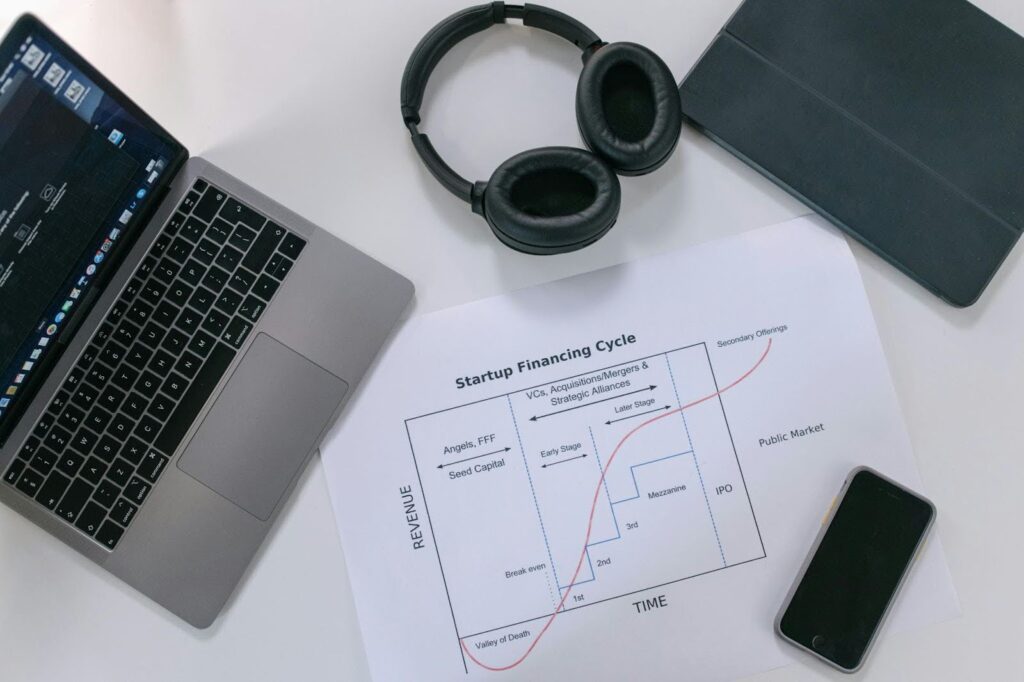
Every successful project follows a structured path called the project life cycle. This framework breaks down complex work into five manageable phases, guiding teams from concept to completion. Understanding these phases equips project managers, teams, and stakeholders with the necessary roadmap for completing projects on time, within budget, and to the required quality standards. The project management life cycle provides a systematic approach to handling projects of all sizes. When followed properly, each phase builds upon the previous one, creating a foundation for success that minimizes risks and maximizes results. What is the Project Life Cycle? The project life cycle is a five-phase framework that guides projects from start to finish. Each phase has specific objectives, deliverables, and milestones that must be achieved before moving to the next stage. The framework outlines all stages a project goes through, from initial concept to final handover. Breaking projects into manageable phases allows teams to: Focus on clear goals Track progress effectively Allocate resources appropriately Identify and mitigate risks early Deliver successful results consistently The 5 phases of Project Life Cycle Phase 1: Initiation The initiation phase lays the foundation for project success by defining fundamental elements and obtaining formal authorization to begin work. Key Activities: Developing the project charter Identifying stakeholders and their expectations Conducting feasibility studies Defining project scope and objectives Performing cost-benefit analysis Appointing the project manager and core team Holding a kickoff meeting During initiation, the project’s value and feasibility receive thorough assessment. The outcome is a clear “go” or “no-go” decision based on alignment with business goals and available resources. Essential documents: Project charter Stakeholder register Business case Initial scope statement A real-world example from Advaiya’s portfolio demonstrates the importance of proper initiation: When working with a Fortune 500 industrial fluids manufacturer, the team first defined clear objectives for unifying disparate CRM systems, which laid groundwork for successfully migrating over 1 million records while reducing data redundancy by 65%. Phase 2: Planning Planning creates a comprehensive roadmap for project execution, establishing how the work will be performed, monitored, and delivered. Key Activities: Creating detailed project management plan Breaking down the project into tasks (Work Breakdown Structure) Applying project scheduling techniques to develop schedules and timelines. Estimating costs and establishing budgets Identifying required resources Establishing quality standards Developing risk management strategies Creating communication protocols Assigning roles and responsibilities The planning phase requires meticulous attention to detail, as overlooking critical elements here often leads to problems during execution. Essential documents: Project management plan Schedule/Gantt chart Resource allocation plan Budget Risk register Quality management plan Communication plan When Advaiya developed a document management system for a major airport, comprehensive planning enabled them to reduce manual document handling by over 90% and improve data quality and compliance to over 95%. Phase 3: Execution The execution phase transforms plans into action, producing the deliverables defined in previous phases. Key activities: Assigning and managing tasks Coordinating team members and resources Managing product development or service implementation Executing quality control measures Managing stakeholder expectations Implementing approved changes Following established processes and procedures Successful execution requires strong leadership, effective coordination, and constant communication. The project manager must remain vigilant about scope, schedule, and cost parameters. Essential tools: Task tracking systems Collaboration platforms Progress reporting mechanisms Issue management protocols Advaiya demonstrated excellence in execution when developing a Sitecore-based booking platform for Sportline Company, resulting in a 90%+ reduction in manual work and generating over $1 million in revenue through the platform. Phase 4: Monitoring and control Monitoring and control runs concurrently with execution, ensuring the project stays on track and meets requirements. Key activities: Tracking progress against the plan Measuring performance metrics Managing scope changes Controlling costs and schedule Addressing risks and issues Implementing corrective actions Ensuring quality standards are met Reporting status to stakeholders Regular monitoring identifies deviations early, allowing for timely intervention and course correction. Essential tools: Performance dashboards Variance analysis Earned value management Change control procedures Risk management processes Advaiya’s ESG Board implementation for a major conglomerate showcased excellent monitoring processes, resulting in 10,000+ tons of carbon emissions reduction, 20% energy efficiency improvement, and 100% governance and compliance. Phase 5: Closure The closure phase formalizes project completion and transfers deliverables to operations or customers. Key activities: Obtaining formal acceptance of deliverables Finalizing all activities and tasks Releasing project resources Closing contracts and financial accounts Archiving project documentation Conducting post-project review Documenting lessons learned Celebrating success and recognizing contributors Proper closure ensures all contractual obligations are fulfilled, resources are released, and valuable insights are captured for future projects. Essential documents: Project closure report Lessons learned documentation Final project documentation Client acceptance forms Post-implementation review When implementing Dynamics 365 Business Central for a real estate consulting firm, Advaiya’s formal closure process ensured 80% improvement in billing accuracy and 60% reduction in approval dependency, with all documentation properly handed over. Types of Project Life Cycles Different projects may require variations of the standard life cycle: Predictive (Waterfall): Sequential phases Each phase completes before the next begins Suited for well-defined projects with clear requirements Commonly used in construction, manufacturing, and engineering Agile: Iterative and incremental approach Flexible and adaptive to change Shorter work cycles called “sprints” Continuous feedback and improvement Ideal for software development and creative projects Hybrid: Combines elements of predictive and agile approaches Initial planning follows waterfall, while execution uses agile methods Allows flexibility while maintaining structure Suitable for complex projects with both defined and evolving requirements Best practices for Project Life Cycle management Define clear goals and scope: Establish specific, measurable objectives Document requirements thoroughly Create a detailed scope statement Implement change control procedures Establish strong communication: Hold regular status meetings Use collaboration tools Maintain transparent reporting Engage stakeholders consistently Implement robust risk management: Identify risks early Prioritize risks based on impact and probability Develop response strategies Monitor risks throughout the project Document everything: Maintain comprehensive project documentation Track changes and decisions Record lessons learned Archive all project artifacts Use appropriate tools: Select project management software suited to project needs Implement collaboration platforms Utilize
Sales management: Transforming bottlenecks into catalysts for growth

In today’s rapidly evolving business landscape, the role of sales management is more critical than ever. Yet, it is often perceived as a bottleneck to growth. This perception stems from traditional sales management practices that can stifle innovation and agility. However, by reimagining sales management, we can transform these bottlenecks into catalysts for growth. At Advaiya, we believe in empowering our customers to achieve more. This philosophy extends to how we approach sales management. The key lies in leveraging technology and fostering a culture of continuous learning and adaptability. The integration of advanced analytics, artificial intelligence, and machine learning into sales processes can revolutionize how we manage sales teams. These technologies provide real-time insights, predictive analytics, and automation, enabling sales managers to make data-driven decisions and focus on strategic initiatives rather than administrative tasks. A growth mindset is essential for transforming sales management. Encouraging sales teams to embrace challenges, learn from failures, and continuously improve can drive innovation and performance. Sales management should not operate in isolation but work closely with marketing, product development, and customer service teams. This holistic approach ensures that customer needs are met more effectively, leading to increased customer satisfaction and loyalty. Investing in the development of sales talent needs to be a strategic priority. Providing ongoing training, mentorship, and career development opportunities empowers sales teams to excel. By embracing technology, fostering a growth mindset, enhancing collaboration, and investing in talent development, we can transform sales management into a powerful driver of growth.
Apps for project management in Microsoft Teams

Project management teams need to collaborate and communicate across the company. It is important that project managers have the right tools in order to effectively work together. Microsoft Teams is one of the most popular modern workplace solutions that is helping Project Managers become more agile. Let’s look at how this real-time collaboration platform allows project managers to communicate in real time, manage documents, and many other features. Project management success with Microsoft Teams: Microsoft Teams is a great cloud-based solution for project management because it seamlessly integrates other tools into its interface. Multiple apps can be used for different task management within your Teams environment. This list includes business apps that are particularly helpful for project management teams. Planner and To-Do lists This tool is great for managing and collaborating on tasks with your team. You can assign them to the appropriate team members and then separate them into buckets that correspond with your project stages. Planner allows you to set the priority level of each task, create a timeline, modify the progress status, attach files and notes, and leave comments. To receive alerts about new tasks, you can connect your Planner to Outlook. This app is part of Microsoft Teams. It consolidates your To-Do tasks with your Planner tasks into one place. The project portfolio management tool manages and tracks all tasks within one app. You can create, assign, track, and share tasks with your team or individually. All of this is done in one app. You may find Tasks By Planner and To-Do on the left-side navigation of Microsoft Teams. This was previously known as Planning. To add the app, click the Ellipsis icon at the bottom of the navigation list. You can also add this tab to a Teams Channel. Forms Source: https://support.microsoft.com/en-us/office/work-with-colleagues-to-create-edit-and-review-forms-in-microsoft-teams-333b97a3-41d9-48bc-a1cb-84a96bd44e14 You can create questionnaires, polls, or quizzes using forms. This will allow you to gather feedback from your clients and team, assess their satisfaction, and share ideas for improvement. Forms can be used to request that your project team submit the finalized project documentation. You can connect Forms to the correct SharePoint library with a Power Automate flow so that all submissions go there directly. Lists Source: https://www.microsoft.com/en-in/microsoft-365/microsoft-lists This Microsoft app is relatively new and helps you organize your work. Lists are a system of records. You can use them to organize your contacts, plan events, track issues and create project management task lists. It integrates with Teams so you can have conversations about list items, leave comments, and @mention other team members, as well as visualize any list with the date column using a calendar view. Approvals The approvals app is a great way to save time and nerves during the approval process. This app is essential for project management. All requests will be documented properly and readily accessible for future reference. It is no longer necessary to send emails asking for signatures or approvals, especially if multiple approvers are required. The entire process is well-structured by the app. It can be used to request approvals from any member of your team. This includes guests such as contractors, partners, and clients. SharePoint Online SharePoint Online is the backbone of document management in Microsoft Teams. SharePoint has made file sharing easy and reliable for team projects. Each Teams channel has a SharePoint site that includes a document library. The SharePoint document library stores files that are uploaded to and created in Teams. Teams and SharePoint allow team members to collaborate on documents, and updates are instantly synchronized between both platforms. Related: Facilitate higher workplace productivity by using MS Teams document management systems Microsoft PowerBI Adding Power BI reports into Teams makes it easier for people to work together and moves the work forward during meetings. You can add the Power BI app in Teams and share a report to a Channel. Integrations with third-party applications for project management Third-party project portfolio management software may be required depending on the complexity of the projects you manage. You can connect them to Microsoft Teams, so you can all collaborate on different projects with your team without having to switch between platforms. These apps can help you manage your project more efficiently using Teams integration. Asana Asana, which integrates with Microsoft Teams, is a popular application that has millions of users in over 200 countries and territories. Asana is an excellent tool for project managers to keep track of all aspects of the project. Asana allows you to easily build a project and create a workflow. Each member of the team can view their tasks and organize them. They can also prioritize their work and create subtasks. Asana’s task dependencies function is an especially useful key feature of the app. Asana lets team members track the status of their tasks and notify them when they are ready to start their part. Monday.com Monday.com is a cloud-based work platform that allows team members and project managers to customize and create project workflows. Connect Microsoft Teams to monday.com to get access to a range of features such as customizable workflow templates, time tracking, deadline-keeping, dashboards, and insights into the project. You can share and receive real-time updates with the Microsoft Teams Integration. @mention team members to “tag” get their attention on certain tasks and priorities. Search for links from monday.com boards and join conversations on Teams. Receive notifications and customize them to ensure you only get notifications about your most important priorities. Manage time visually using the timeline feature. This is a flexible and intuitive version of Gantt charts. Use the personal space tab to keep track of your inbox and project. Trello Before there were many project management apps, people used to only choose Trello or Asana. Trello, a web-based Kanban-style app that allows you to manage your projects in a focused and simple way, is an excellent choice for anyone who’s looking for an easy-to-use application. The Trello app in Microsoft Teams allows you to link your Trello workspaces to Teams. Trello is automatically started
Hybrid project management driving smart urban development

Blended project management methods can be an ideal solution when the Agile approach cannot provide a precise budget or project timeline and the Waterfall methodology is too restrictive. Blended methods offer your team the freedom to plan projects while still adhering to structure, while Agile methodology doesn’t make long-term commitments, and Waterfall is inflexible when changes need to be made. Each element can be combined individually for customized outcomes. Implementing Agile principles into Waterfall can improve communication between stakeholders and create a dynamic environment that encourages project progress. Waterfall’s shortcomings, such as lack of client collaboration or repetitive product reviews, can be addressed using hybrid methodologies. Teams using this style tend to reduce documentation significantly and only keep necessary files for faster completion times. What is hybrid project management? Hybrid project portfolio management, as its name implies, combines multiple styles. The hybrid project management approach emphasizes taking the best elements and applying them to relevant projects. These methods have become popular worldwide. Frequently, agile and waterfall methods are combined in some capacity. Let us take a closer look at each strategy to understand its practices. What factors have contributed to the growth of hybrid project management solutions? Over the years, urban planning has become technology driven. Town planning authorities over the world have been using satellite imaging, GPS mapping, terrain contouring data, etc. which come from several isolated systems. They also use a lot of public utility data which gives them demographic and behavioral patterns to account for. All this information needs to be managed and used to create plans. There are advanced tools for GIS-centric asset management and systems for electronic plan review for architects, engineers, and builders. Modern urban planning and construction industry needs to wrap its projects around such systems. Project complexity is increasing across the infrastructure industry, which requires better management principles to guarantee they reach completion within time and budget. Governments and civic infrastructure companies around the world are realizing that with emerging technologies and market participants, organizations must be more proactive in addressing emerging problems like the environment, public health, and safety. Increased customer focus and speed have resulted in higher expectations from businesses. Hence, contractors must be able to quickly adjust to clients’ evolving requirements. How can infrastructure companies and contractors succeed with hybrid project management? Plan first For infrastructure companies who set off to deliver projects which may take 5 to 6 years and sometimes even a decade to complete, it becomes necessary to have a strong PPM foundation. It’s evident that projects like those of telecom companies installing a new 5G infrastructure across multiple nations or a civic contractor company building road networks can not do so without having a system that stays functional and efficient throughout the course of the project. This is why such organizations need to plan ahead and invest in the right kind of project management tools. Verify that your project portfolio management applications support hybrid project management. Different software can be tailored to different management strategies. PPM solutions that work well for agile or waterfall projects might not be ideal for hybrid ones. Your project might need a range of tools, so instead of trying to fit everything into existing programs, find one hybrid project management software solution that meets all your requirements. External application integrations may also help tailor the PPM software according to hybrid project management needs. Microsoft Project provides enterprise project management tools to manage agile projects. Traditional tasks can coexist alongside agile work using Project Online Desktop Client – part of Project Online – which has built-in agile capabilities. Project for the web allows you to take better decisions because all the information and metrics are at your fingertips. MS Project for the web is built on Microsoft Power Platform, which includes PowerApps and Microsoft Flow, PowerBI, and Microsoft Dataverse capabilities. MS Project for Web makes it easy to create reports that communicate progress, costs and billing, ROI, and more. Project for the Web is built on Microsoft 365 Groups, so it integrates with other Microsoft 365 products you already use so that you can collaborate on projects with your colleagues. Training your team For teams new to hybrid project management, training can be a learning experience. Your team needs to become acquainted with some processes and how they relate to existing ones; training is essential so everyone understands the procedure and can complete tasks and sprints as required. You also have an opportunity to ask questions and help resolve any issues before they arise, ensuring your project runs smoothly from there on out. Learn skills through practice. Your hybrid methods might involve both agile and waterfall elements, but there are some essential skills your team must master. Effective communication is paramount to moving the project along quickly and keeping everyone informed. Screen and camera recording abilities are necessary, as are planning abilities that provide direction and help reach objectives. These abilities can be combined with others to enable success in hybrid project management. Check out your projects. Assessing current project management performance and making improvements is the most effective way to enhance hybrid management. You can take a step back and assess what worked well and what needs improvement while also celebrating team accomplishments like QA testing or cyber security setups, as well as how effectively they use software or meet customer briefs. This also serves to motivate further investment in technology or personnel resources. Discover what works for you. Hybrid project management is more like a sliding scale between agile methods and waterfall rather than something fixed. If one combination doesn’t suit your team or project, feel free to experiment with different features until you find the combination that works. By experimenting with remote or hybrid approaches, remote project management, or optimizing project management processes, you can complete projects faster and provide customers with better service. Hybrid project management accelerates urban planning, infrastructure, and construction projects Project managers have been engaged in discussions for nearly 20 years about the
Improve workplace productivity with Teams document management

Many factors affect workforce productivity. One of these is the ability to find the right documents, resources, and files at the right moment. This affects enterprise productivity, the pace of work, and employee productivity. It also allows employees to concentrate on more valuable activities like innovation, strategy, training, and skill enhancement. Research shows that employees are spending more time searching for critical documents in cluttered online document management systems than they are focusing on providing workplace value. The research found that 54% of US office workers surveyed said they spend more time looking for files and documents than responding to emails and other messages. In their day-to-day business, organizations generate a lot of documentation and data that includes details about business transactions. This includes key information such as the transaction’s details, names of parties, amounts paid, dates, and the nature of the transaction. These documents, also known as source documents, must be stored in a way that is easy to locate. Organizations fail to address this crucial aspect, resulting in inefficiency and inefficient routine operations. This is compounded when you consider the documentation and information created by remote teams or dispersed workers in a hybrid work environment. It is not about just storing and cataloging but also accessing the information quickly for correct decision-making. To make accurate decisions on pricing, delivery, and overall experience, the procurement department needs to have instant access to real-time and historical data from different locations. However, it is not possible to delay the decision-making process while you search for information. Time is an important component of any business outcome. Therefore, procurement must have instant access to both historical and current information. Office 365 document management allows you to build highly scalable workflows. It also lets you say goodbye to clunky papers once and for all. You can create your own Office 365 document management software with minimal effort and all the customization options that you want. Is Microsoft using a document management system? It is. You can bet your bottom dollar! Microsoft 365 document management has become a reality due to the combination of solutions such as SharePoint Online, Microsoft Teams, and OneDrive. These services allow users to share, store, and collaborate on documents anywhere they are. It’s easy to overlook Microsoft’s document management skills on paper. This is until you discover the many perks that this ecosystem offers: There are countless search and filter options It can be difficult to find what you are looking for when there are many folders and documents. This problem isn’t solved by many document management search systems. However, Microsoft offers a number of search and filter options to find your document easily. Team collaboration It’s not easy to maintain project-specific documents. Document management systems today do a poor job of managing project documents and keeping relevant teams informed. Microsoft’s offerings, like Office 365 and Teams, are certainly different. Permission management and security Most document management systems do not allow users to restrict who has access to certain documents. Only certain users should be allowed to view documents. One department might not want members from another department to have access to their files. A department or group of users may have to add/edit permission, while another group might only have read-only permission. You might also want to share files with people outside of your organization. For instance, a member of the marketing team might wish to show the client advertising receipts or sales reports. Microsoft Team’s private and public files features are here to help. Depending on the type and content of communication, teams can categorize files as private or public documents. Public document sharing Files that are sent to the channels (team) automatically become available in SharePoint. Here, the files are saved in the cloud and available to everyone. SharePoint stores files that are shared with a larger group. This allows everyone to access all files. Private document sharing Contrary to team-focused SharePoint, OneDrive stores the files that are shared in private chats. OneDrive is the best way to save files that are private. Each employee can access his OneDrive account and use it to store his files. Teams then filter files that are exchanged via a group chat or 1:1 chat with OneDrive for Business. Employees have the assurance that their personal files and documents are kept private or only shared with a select group of people. Reliable version control functions Have you ever made changes to a document only to have to restore the previous version? Many users find it frustrating that legacy document management systems do not allow them to save the document history or restore previous versions. Microsoft offerings have saved history to check what changes are made and by whom. Keep the folder structure and naming. Document management systems tend to use the same folder structure and naming conventions throughout the space. Users are unable to name or organize folders in a way that makes the most sense for them. All changes made to the system have automatically reflected all users. Notification and approval Some documents need executive approval before being sent to others (think invoices, performance appraisals, etc.). This is a major problem with most digital document management software. This problem is not an issue with Microsoft Teams. As Microsoft makes use of advanced automation like ChatGPT, Copilot, etc. Automation allows Teams to offer suggestions for various tasks, such as suggesting a file to be included in a conversation or reminding to follow up on an important message. Copilot may suggest files or documents included in a chat about a project. This can streamline communication and ensure all information is included. Document management with Microsoft Teams Microsoft Teams is one of the most effective modern workplace solutions to the question of “how to create a document management system.” Microsoft Teams was launched in 2017. It consolidates all aspects of document management so that there are no duplicated files or scattered records. It is important to know that Microsoft Teams document management occurs via SharePoint. A
How to utilize Microsoft Teams to manage projects more efficiently

We’ve received inquiries like the one above, asking if Microsoft Teams can be utilized as a project management tool. Why use Microsoft Teams for project management? Many are familiar with Microsoft Teams as a hub for communication. They understand it allows users to voice and video calls their coworkers, but that is often where their understanding ends; Microsoft Teams offers much more than simply keeping people connected. Microsoft Teams’ top intuitive features: Microsoft Teams is an all-inclusive communication and collaboration platform. It features document collaboration, presentation, whiteboarding, and other renowned communication tools. Stay informed with Teams and channels Microsoft Teams offers a platform for open, transparent communication between project managers across all aspects of the projects they manage. Let’s assume you’re a project manager in an IT company and have three projects for each customer. Create a team for each customer using the Teams tab, then create communication channels within those teams for each project you need to manage. It takes only a click of your mouse to add appropriate people or resources from within your staff members to each of these channels and teams. Make work accessible to everyone. Time tracking is of the essence when managing a project. Are you spending too much time trying to locate and work on essential documents in multiple folders or repositories? Doing so could be costing you valuable hours in the long run. MS Teams can save you time! To access and co-author Word documents and Excel spreadsheets from within Teams, just connect it to SharePoint. Don’t miss another deadline! Project management professionals understand the importance of deadlines. Microsoft Teams provides you with the ability to share an Outlook group calendar from within its platform. You can utilize Planner to assign task lists and stay organized. With Microsoft Planner integrated into your Teams platform, you’ll have another means of keeping tabs on tasks and project timelines. Be brave and customize your teams for maximum efficiency! Teams offer numerous integrations that can be customized. Don’t be intimidated to explore those options to make Team truly yours – there are countless third-party apps and services available in Teams’ Apps tab that you can choose from! Check out our blog Apps for project management in Microsoft Teams to explore some wonderful apps for efficient project management. Microsoft Teams can assist in solving project management issues. Project management challenges present themselves on a regular basis. As a project management professional, your role is to overcome these obstacles and deliver the desired business outcomes. There are various tools and techniques that can be employed for this purpose. Let’s examine some of the most pressing project management challenges Microsoft Teams can assist you with. Lack of communication Project managers face many difficulties, including poor communication. Poor communication can cause major delays to projects and cost overruns. Many times, different stakeholders in a project work in silos. This means they don’t share important updates with the entire team. MS provides numerous features that promote open working. Poor data management Project teams deal with a lot of data. It can be challenging to keep it organized and structured, leading to chaos in storage if not handled properly. Navigating and searching for accurate documentation becomes challenging due to these inefficiencies which cost valuable time essential for project management; ultimately leading to reduced business productivity levels as a result. Microsoft Teams’ seamless integration with SharePoint, OneDrive, and other Microsoft products enables you to efficiently manage your data while ensuring its security. Stakeholder alignment Project management involves many stakeholders. Internal stakeholders such as your project team, managers, and executives are important; but you also have external stakeholders like customers, suppliers and contractors, investors, and vendors – the list is endless! Coordinating all the different project stakeholders can be challenging. Sending different messages to each person involved in a project isn’t effective – make sure everyone is on the same page about project progress without needing mediators between parties. Microsoft Teams makes this possible. Teams allows you to bring together multiple departments and teams in one workspace where they can collaborate and communicate more efficiently. Knowledge management Sometimes, knowledge sharing is insufficient after a project’s completion. All the lessons learned from past and future endeavors can serve as valuable teaching points. Knowledge management is fundamental for successful project management. It allows you to identify best practices and provide reference points for your teams. Microsoft Teams can assist in solving this problem, by creating a knowledge base where all business documents can be stored securely. Project budgets and timing Any project manager should strive to finish within budget and on schedule. Various reasons could go wrong, causing delays or additional costs that should not have occurred in the first place. Microsoft Teams can assist in solving silo work, miscommunications, lack of accountability, and collaboration failures by helping solve these issues head-on. Microsoft Teams offers an easy-to-use integration with both native and third-party project management software, so you can communicate and collaborate with anyone regardless of the platform they use. To guarantee everyone stays aware of their tasks, Teams allows for connecting task management applications. Furthermore, Teams record all conversations for accountability purposes – making it simpler to hold everyone accountable for the project. Adherence to project management guidelines Every team working on a project should have clear project management guidelines with detailed instructions and steps. Collect best practices and create these guidelines; share them with your team members and give them all of the tools they need to automate certain tasks so they can focus on the project at hand. However, it is possible to disobey these guidelines and continue using antiquated techniques which bog down project management. Microsoft Teams can assist in solving this issue. It allows you to transform your project management guidelines into an action plan that your team can follow. Final thoughts on Microsoft Teams for project management Microsoft Teams has revolutionized the way project managers work. Teams require a solution to address all stakeholders involved in the project management