Industries
Manufacturing
Drive innovation, streamline processes, empower your
workforce, and elevate customer experiences.
Embrace the power of tech enabled manufacturing operations, elevating your processes and fostering innovation with AI driven solutions. Enhance product quality, and gain a competitive edge with data-driven insights and smart automation to ensure operational excellence and sustainable growth.
Our consulting and implementation services enable effective digital initiatives within your manufacturing business. Leveraging Advaiya’s distinctive peripheral automation approach, our solutions for the manufacturing businesses expedite the successful adoption and extraction of value from your technology investments. We assist you in integrating core business applications alongside cutting-edge data, process, and AI-driven automations tailored to your specific circumstances, cultivating a strategic advantage.
Resilient supply chain
Smarter plants
Accelerated product innovation
Predictive maintenance
Optimized forecasting and planning
Automated financial tracking
Better customer experiences
Discover new revenue and reduce expenses with Advaiya and Microsoft Dynamics 365 for manufacturing businesses
Delivering exceptional service through predictive maintenance that improves customer satisfaction and decreases your operations costs.
Related case studies
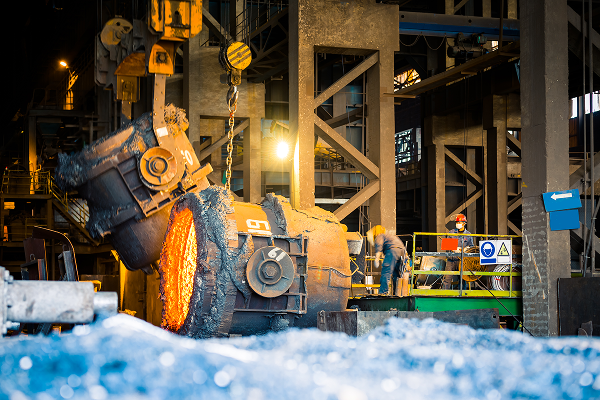

- Embedded analytics, Peripheral automation, Sales management and CRM

- Embedded analytics, Peripheral automation, Sales management and CRM
Related blog
Blog
- AI, Customer Experience (CX), Digital experiences, Sitecore CMS
Blog
- Microsoft Project Online, PPM, Project management
Blog
- Power Platform, PPM
Schedule a consultation
Frequently asked questions
How is ERP used in manufacturing?
In manufacturing, enterprise resource planning (ERP) connects production, inventory, procurement, finance, and sales into one source of truth. The system schedules production against demand, tracks materials and work in progress, and gives finance accurate costs, all from shared data.
Which ERP is best for manufacturing?
There is no single best ERP; the right fit depends on your size, process type, and complexity. Microsoft Dynamics 365, including Dynamics 365 Business Central for mid-market makers, suits companies invested in Microsoft. How it is implemented matters more than the logo.
What are the pillars of digital transformation?
The pillars are people, process, and technology, with data and strategy tying them together. Technology gets attention, but redesigned processes and real adoption decide the outcome. In manufacturing that means modern ERP, connected shop-floor analytics, and automation.
What is digital transformation in manufacturing?
Digital transformation in manufacturing uses connected systems, data, and automation to run production, supply chain, and quality more efficiently. The shift spans modern ERP, shop-floor analytics, predictive maintenance, and automated workflows, with adoption as the deciding factor.
What are the benefits of ERP in manufacturing?
Benefits include fewer stockouts, tighter cost control, on-time delivery, and decisions based on current numbers. A well-run ERP lets a sales order flow into planning, procurement, and the financial books without manual re-entry.
What is the ERP implementation life cycle?
The typical life cycle runs through discovery and planning, design, configuration, data migration, testing, training, go-live, and ongoing support. Skipping the process design and adoption steps is where most implementations struggle.
What are common ERP implementation challenges?
Common challenges are poor data quality, over-customization, unclear processes, weak change management, and low user adoption. A phased approach, clean data, and genuine training reduce the risk far more than the software choice alone.
How long does an ERP implementation take in manufacturing?
Most run several months to over a year, depending on scope, sites, integrations, and data complexity. A phased rollout, starting with core functions, delivers value earlier and lowers risk versus switching everything at once.